
Introduction
I. The Rise of Korean Skincare
A. A brief history of Korean skincare – Korean skincare traces its roots back to ancient times, with historical records showing that people in Korea have always prioritized taking care of their skin. – Traditional Korean skincare practices were influenced by Confucianism, which emphasized the pursuit of beauty as an important aspect of self-discipline and respect.

B. The global popularity of K-beauty – In recent years, Korean skincare, also known as K-beauty, has gained immense popularity on a global scale. – Its rise in popularity can be attributed to the practical results of Korean skincare products and the distinctive routines that prioritize long-term skin health.
II. Understanding the Korean Skincare Philosophy
A. The emphasis on prevention and maintenance – Korean skincare philosophy revolves around the idea that prevention is better than cure. – In contrast to Western skincare, which often focuses on treating existing skin issues, Korean skincare emphasizes proactive steps to maintain healthy skin from an early age.
B. The holistic approach to skincare – Korean skincare takes a holistic approach by viewing skin health as interconnected with overall well-being. – This approach considers lifestyle factors, such as diet, stress levels, and sleep quality, alongside skincare products and routines.

C. The importance of a multi-step routine – One of the hallmarks of Korean skincare is the multi-step routine that consists of several products used in a specific order. – This comprehensive regimen aims to cater to different skin needs, ensuring that each step serves a specific purpose in achieving optimal skin health.
III. Identifying Your Skin Type
A. The different skin types according to Korean skincare – Korean skincare categorizes skin into various types, including oily, dry, combination, regular, and sensitive. – Each skin type requires specific products and approaches to address its unique characteristics and concerns.
B. How to determine your skin type – An effective way to determine your skin type is by observing your skin’s behavior throughout the day and paying attention to factors such as oiliness, dryness, and sensitivity. – Consulting with a skincare professional or dermatologist can also provide valuable insights into your skin type.
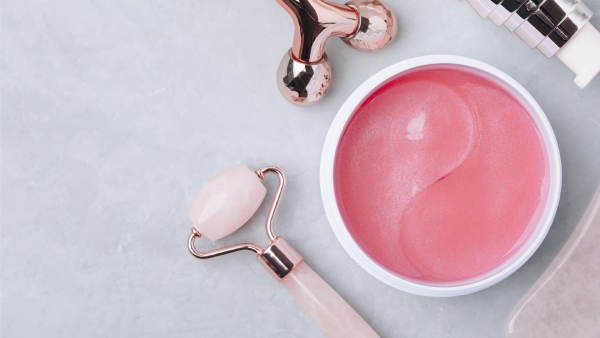
C. Tailoring your skincare routine based on your skin type – Once you determine your skin type, you can customize your skincare routine by selecting products and ingredients that cater to your specific needs. – This personalized approach ensures that your skincare routine effectively addresses your skin concerns and promotes overall skin health.
IV. Essential Korean Skincare Steps
A. Double cleansing for thorough cleansing – Double cleansing is a crucial step in Korean skincare that involves using an oil-based cleanser followed by a water-based cleanser. – This method ensures the removal of both oil-based impurities, such as makeup and sunscreen, and water-based impurities, such as sweat and dirt, for a clean canvas.
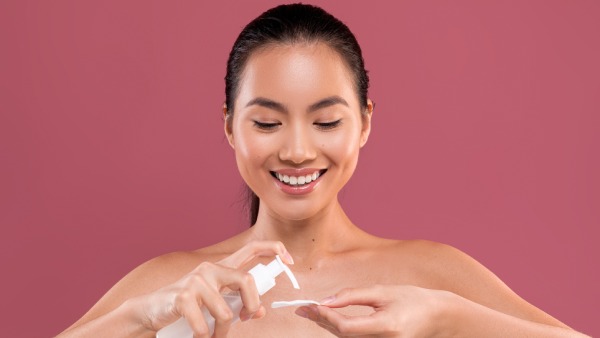
B. The benefits of using toner – Toner is an essential step in Korean skincare as it helps balance the pH level of your skin and prepares it for better absorption of subsequent skincare products. – Additionally, toners can provide hydration, soothe the skin, and refine the appearance of pores.
C. The role of essences and serums – Essences and serums are concentrated skincare products that target specific skin concerns. – Essences provide hydration and improve skin texture, while serums deliver potent active ingredients to address issues like signs of aging or hyperpigmentation.
D. Incorporating sheet masks for hydration and nourishment – Sheet masks, a staple of Korean skincare, provide intensive hydration and nourishment. – These pre-soaked masks, usually made of cotton or hydrogel, deliver a concentrated dose of beneficial ingredients to the skin, leaving it plump and glowing.
E. The importance of eye cream for delicate skin – The delicate skin around the eyes requires special attention and care. – Eye creams formulated with hydrating and anti-aging ingredients help reduce puffiness, fine lines, and dark circles, ensuring a youthful and refreshed appearance.

F. The benefits of moisturizing with emulsions and creams – Moisturizing is a crucial step in any skincare routine, and Korean skincare offers a variety of options. – Emulsions, lightweight moisturizers suitable for oily or combination skin, and creams, richer moisturizers for drier skin types, both provide hydration and help maintain the skin’s protective barrier.
G. The necessity of sunscreen for skin protection – Sunscreen is a non-negotiable step in Korean skincare for comprehensive skin protection against harmful UV rays. – Applying sunscreen daily not only prevents sunburn and premature aging but also helps prevent skin damage and reduces the risk of skin cancer.
V. Unveiling Korean Skincare Ingredients

A. Exploring popular ingredients like snail mucin and propolis – Korean skincare incorporates unique ingredients such as snail mucin and propolis, known for their skin-rejuvenating and healing properties. – Snail mucin delivers hydration, promotes cell regeneration, and improves skin texture, while propolis provides strong antioxidant and anti-inflammatory benefits.

B. The benefits of natural ingredients like green tea and rice water – Natural ingredients like green tea and rice water have long been used in Korean skincare for their beneficial properties. – Green tea possesses antioxidant and anti-inflammatory effects, soothing irritation and reducing redness, while rice water helps brighten the skin and even out the complexion.
 Health and life style