Featured

Essential Tips for Preventing Heart Attacks

Introduction:

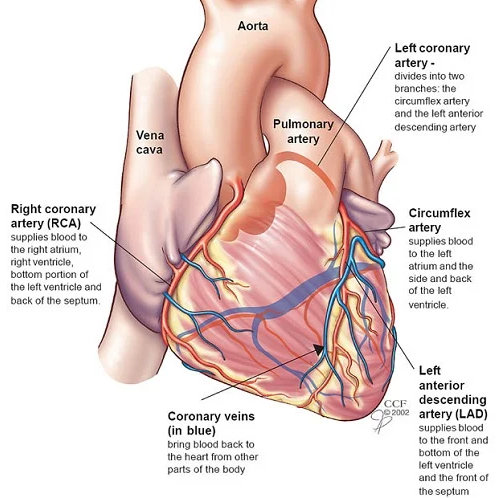
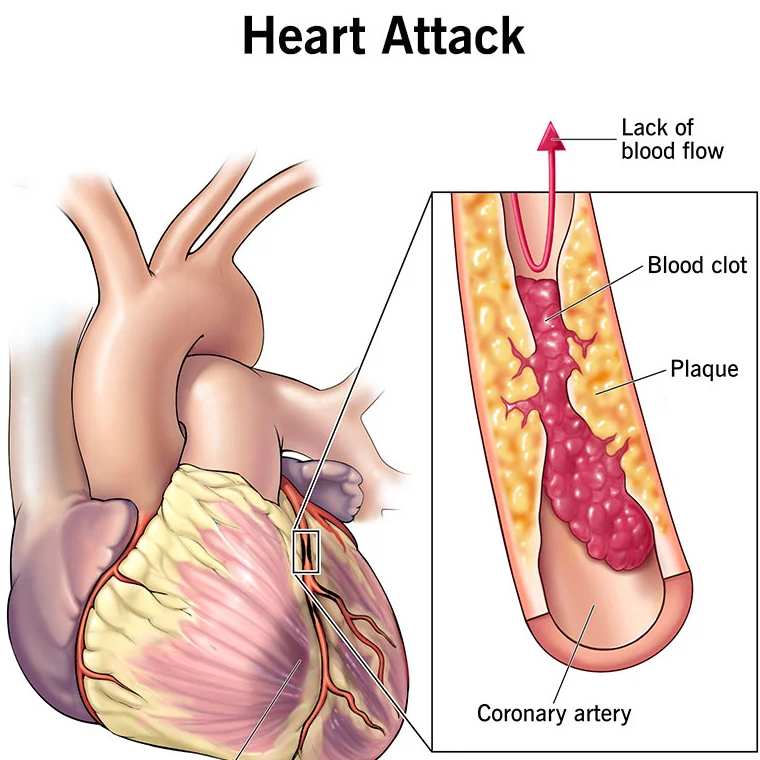
Heart attacks, also known as myocardial infarctions, are a leading cause of death worldwide. They occur when blood flow to the heart muscle is blocked, resulting in the death of the affected tissue. While certain risk factors, such as age and family history, cannot be changed, there are numerous proactive measures individuals can take to significantly reduce the risk of experiencing a heart attack. In this article, we will explore essential tips for preventing heart attacks and promoting heart health.

1. Maintain a Healthy Lifestyle:

Adopting a healthy lifestyle is paramount in preventing heart attacks. Incorporate the following habits into your daily routine:

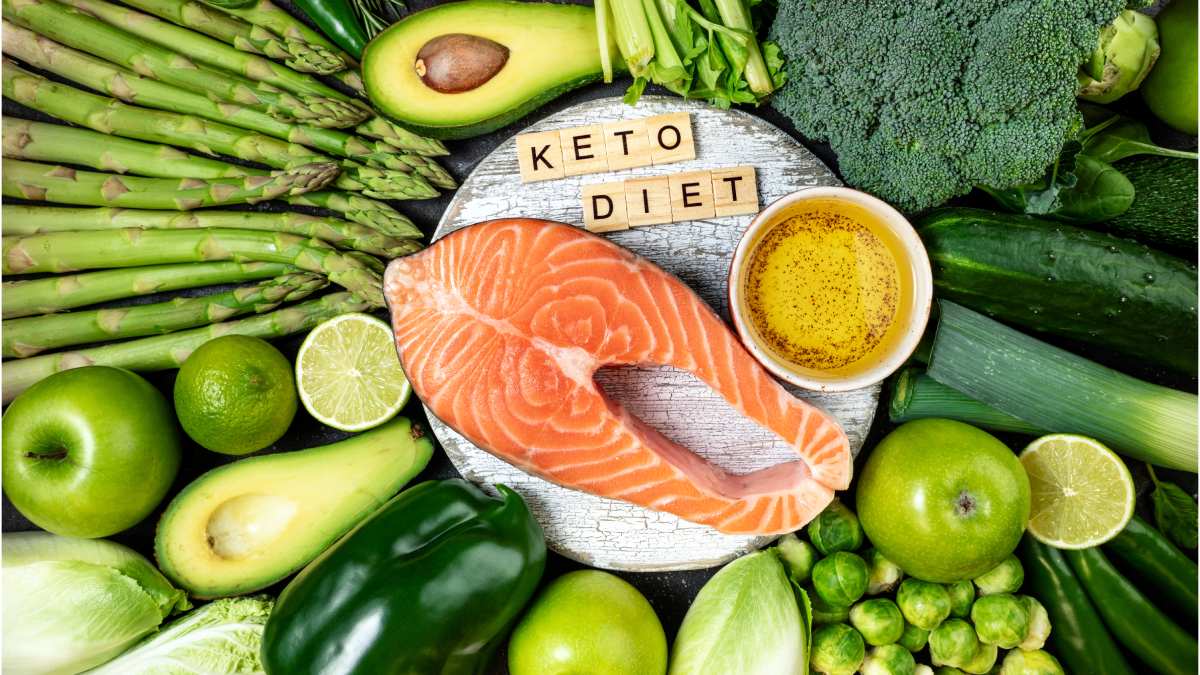
a) Eat a Balanced Diet: Emphasize fruits, vegetables, whole grains, lean proteins, and healthy fats while limiting sodium, trans fats, and refined sugars. A heart-healthy diet can help control weight, blood pressure, and cholesterol levels.

b) Stay Physically Active: Engage in regular exercise to strengthen the heart and improve cardiovascular health. Aim for at least 150 minutes of moderate-intensity aerobic activity or 75 minutes of vigorous activity each week. Include activities like walking, jogging, swimming, or cycling.

c) Maintain a Healthy Weight: Excess weight strains the heart and increases the risk of heart disease. Achieve and maintain a healthy weight through a combination of a balanced diet and regular exercise.

2. Manage Blood Pressure and Cholesterol Levels:

High blood pressure (hypertension) and elevated cholesterol levels are major risk factors for heart attacks. Implement the following strategies to keep them in check:

a) Monitor Blood Pressure: Regularly check your blood pressure and aim to keep it within the healthy range (below 120/80 mmHg). If you have hypertension, follow your healthcare provider’s advice regarding lifestyle modifications or medication.

b) Control Cholesterol Levels: Optimal cholesterol levels are essential for heart health. Consume a diet low in saturated and trans fats, quit smoking, exercise regularly, and, if necessary, take prescribed medications to manage cholesterol levels effectively.

3. Quit Smoking and Limit Alcohol Consumption:

Smoking damages blood vessels accelerates the formation of fatty plaques in arteries, and significantly increases the risk of heart attacks. Quitting smoking is one of the most beneficial actions you can take to improve heart health. Additionally, excessive alcohol consumption can raise blood pressure and contribute to weight gain. Limit alcohol intake to moderate levels (up to one drink per day for women and up to two drinks per day for men).

4. Manage Stress Levels:

Prolonged and uncontrolled stress can contribute to the development of heart disease. Implement stress management techniques like exercise, meditation, deep breathing exercises, hobbies, or spending time with loved ones. Engaging in activities that bring you joy and practicing relaxation techniques can reduce stress levels and promote heart health.
5. Regular Health Check-ups:

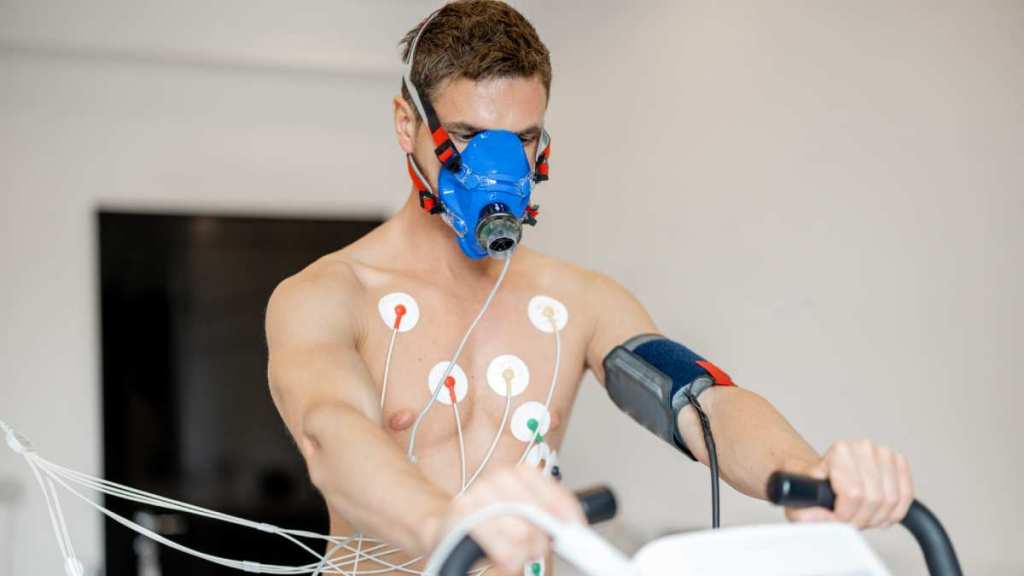
Regular medical check-ups are crucial for assessing your heart health and identifying potential risk factors. Consult your healthcare provider regularly to monitor blood pressure, cholesterol levels, and other vital indicators. Additionally, discuss any concerns or family history of heart disease with your doctor to develop a personalized prevention plan.

Conclusion:

Preventing heart attacks requires a comprehensive approach that incorporates healthy lifestyle choices, regular exercise, and effective management of risk factors such as blood pressure, cholesterol levels, and stress. By adopting these essential tips, individuals can significantly reduce their risk of experiencing a heart attack and improve overall heart health. Remember, prevention is always better than cure, so prioritize your heart health today for a healthier tomorrow.

Featured

The Female Reproductive System: A Marvel of Life and Fertility

Introduction:

The female reproductive system is an intricate and awe-inspiring mechanism that plays a fundamental role in the creation of life. From the onset of puberty to menopause, this complex system undergoes remarkable physiological changes. In this article, we explore the anatomy and functions of the female reproductive system, shedding light on its extraordinary capabilities.

1. Anatomy of the Female Reproductive System:

The female reproductive system consists of both internal and external structures. Internally, the key organs include the ovaries, fallopian tubes, uterus, and vagina. The ovaries produce eggs, or ova, and are responsible for the production of hormones such as estrogen and progesterone. The fallopian tubes serve as a pathway for the egg to travel from the ovaries to the uterus. The uterus, or womb, is where the fertilized egg implants and develops into a fetus. The vagina serves as the birth canal and also facilitates sexual intercourse. Externally, the vulva includes the labia majora, labia minora, clitoris, and vaginal opening.

2. Menstrual Cycle:

The menstrual cycle is a vital process in the female reproductive system. It typically lasts around 28 days and involves the preparation of the uterus for a potential pregnancy. The cycle is regulated by hormones, with the ovaries releasing an egg during ovulation. If fertilization does not occur, the lining of the uterus is shed through menstruation. Understanding the menstrual cycle is essential for reproductive health, family planning, and detecting any potential irregularities.

3. Fertility and Reproduction:

The female reproductive system allows for the remarkable ability to conceive and bear children. During sexual intercourse, sperm enters the vagina and travels through the cervix and into the uterus, where fertilization of the egg can occur. The fertilized egg then implants in the uterus, leading to pregnancy. The reproductive system is finely tuned, with hormonal signals regulating ovulation, implantation, and the growth of the fetus. The uterus provides a nurturing environment for the developing baby, supporting its growth until birth.

4. Common Health Concerns:

Several health concerns can affect the female reproductive system. These include menstrual disorders, such as irregular periods, heavy bleeding, or painful cramps. Other conditions may include infections, such as yeast infections or sexually transmitted infections (STIs), which require timely medical attention. Additionally, disorders like polycystic ovary syndrome (PCOS), endometriosis, and uterine fibroids can impact fertility and overall reproductive health. Regular check-ups and open communication with healthcare providers are essential for maintaining optimal reproductive well-being.

5. Menopause:

Menopause marks the end of the reproductive years in a woman’s life. Usually occurring between the ages of 45 and 55, menopause is characterized by a decline in hormone production and the cessation of menstruation. This transitional phase brings its own set of changes and challenges, including hot flashes, mood swings, and potential bone density issues. However, with proper healthcare and support, women can navigate this natural phase and continue to embrace their overall well-being.

Conclusion:

The female reproductive system is an extraordinary marvel of nature, enabling the creation of life and the perpetuation of the human species. Its intricate anatomy and finely orchestrated hormonal balance contribute to the wonder of womanhood. Understanding the female reproductive system, its functions, and common health concerns empowers women to make informed decisions regarding their reproductive health. By prioritizing regular check-ups, open communication, and self-care, women can nurture and maintain their reproductive well-being throughout their lives.

Unlock the Secrets to Radiant Skin with These Top Korean Skincare Tips!

Introduction

I. The Rise of Korean Skincare

A. A brief history of Korean skincare – Korean skincare traces its roots back to ancient times, with historical records showing that people in Korea have always prioritized taking care of their skin. – Traditional Korean skincare practices were influenced by Confucianism, which emphasized the pursuit of beauty as an important aspect of self-discipline and respect.

B. The global popularity of K-beauty – In recent years, Korean skincare, also known as K-beauty, has gained immense popularity on a global scale. – Its rise in popularity can be attributed to the practical results of Korean skincare products and the distinctive routines that prioritize long-term skin health.

II. Understanding the Korean Skincare Philosophy

A. The emphasis on prevention and maintenance – Korean skincare philosophy revolves around the idea that prevention is better than cure. – In contrast to Western skincare, which often focuses on treating existing skin issues, Korean skincare emphasizes proactive steps to maintain healthy skin from an early age.

B. The holistic approach to skincare – Korean skincare takes a holistic approach by viewing skin health as interconnected with overall well-being. – This approach considers lifestyle factors, such as diet, stress levels, and sleep quality, alongside skincare products and routines.

C. The importance of a multi-step routine – One of the hallmarks of Korean skincare is the multi-step routine that consists of several products used in a specific order. – This comprehensive regimen aims to cater to different skin needs, ensuring that each step serves a specific purpose in achieving optimal skin health.

III. Identifying Your Skin Type

A. The different skin types according to Korean skincare – Korean skincare categorizes skin into various types, including oily, dry, combination, regular, and sensitive. – Each skin type requires specific products and approaches to address its unique characteristics and concerns.

B. How to determine your skin type – An effective way to determine your skin type is by observing your skin’s behavior throughout the day and paying attention to factors such as oiliness, dryness, and sensitivity. – Consulting with a skincare professional or dermatologist can also provide valuable insights into your skin type.

C. Tailoring your skincare routine based on your skin type – Once you determine your skin type, you can customize your skincare routine by selecting products and ingredients that cater to your specific needs. – This personalized approach ensures that your skincare routine effectively addresses your skin concerns and promotes overall skin health.

IV. Essential Korean Skincare Steps

A. Double cleansing for thorough cleansing – Double cleansing is a crucial step in Korean skincare that involves using an oil-based cleanser followed by a water-based cleanser. – This method ensures the removal of both oil-based impurities, such as makeup and sunscreen, and water-based impurities, such as sweat and dirt, for a clean canvas.

B. The benefits of using toner – Toner is an essential step in Korean skincare as it helps balance the pH level of your skin and prepares it for better absorption of subsequent skincare products. – Additionally, toners can provide hydration, soothe the skin, and refine the appearance of pores.

C. The role of essences and serums – Essences and serums are concentrated skincare products that target specific skin concerns. – Essences provide hydration and improve skin texture, while serums deliver potent active ingredients to address issues like signs of aging or hyperpigmentation.

D. Incorporating sheet masks for hydration and nourishment – Sheet masks, a staple of Korean skincare, provide intensive hydration and nourishment. – These pre-soaked masks, usually made of cotton or hydrogel, deliver a concentrated dose of beneficial ingredients to the skin, leaving it plump and glowing.

E. The importance of eye cream for delicate skin – The delicate skin around the eyes requires special attention and care. – Eye creams formulated with hydrating and anti-aging ingredients help reduce puffiness, fine lines, and dark circles, ensuring a youthful and refreshed appearance.

F. The benefits of moisturizing with emulsions and creams – Moisturizing is a crucial step in any skincare routine, and Korean skincare offers a variety of options. – Emulsions, lightweight moisturizers suitable for oily or combination skin, and creams, richer moisturizers for drier skin types, both provide hydration and help maintain the skin’s protective barrier.

G. The necessity of sunscreen for skin protection – Sunscreen is a non-negotiable step in Korean skincare for comprehensive skin protection against harmful UV rays. – Applying sunscreen daily not only prevents sunburn and premature aging but also helps prevent skin damage and reduces the risk of skin cancer.

V. Unveiling Korean Skincare Ingredients

A. Exploring popular ingredients like snail mucin and propolis – Korean skincare incorporates unique ingredients such as snail mucin and propolis, known for their skin-rejuvenating and healing properties. – Snail mucin delivers hydration, promotes cell regeneration, and improves skin texture, while propolis provides strong antioxidant and anti-inflammatory benefits.

B. The benefits of natural ingredients like green tea and rice water – Natural ingredients like green tea and rice water have long been used in Korean skincare for their beneficial properties. – Green tea possesses antioxidant and anti-inflammatory effects, soothing irritation and reducing redness, while rice water helps brighten the skin and even out the complexion.

The Surprising Science Behind Drinking Water and Weight Loss

Introduction

Water is a fundamental component of good health and is essential to bodily functions such as temperature regulation, digestion, and metabolic processes. Many individuals, however, are not aware of the connection between drinking water and weight loss. In this article, we will explore the surprising science behind water and weight loss, including common misconceptions, the role of water in the body, effective ways of drinking water for weight loss, and tips for staying hydrated for long-term success.

The Importance of Hydration

Water is crucial to maintaining optimal health and wellness. Adequate water intake ensures that the body can regulate its temperature, transport nutrients to cells, and allow for proper digestion and absorption of nutrients. It also helps in the elimination of waste products and toxins in the body.

Common Misconceptions About Water and Weight Loss

There are several misconceptions about water and weight loss, including:

Drinking more water leads to significant weight loss.

Drinking cold water burns more calories than drinking warm water.

Drinking excessive amounts of water can lead to weight loss.

These misconceptions are often debunked, and while drinking water is an effective weight-loss strategy, the effects may not be immediate or drastic.

Basics of Weight Loss

Weight loss is primarily achieved by creating a calorie deficit, which occurs when an individual consumes fewer calories than they burn. This can be achieved through diet and exercise. Consuming fewer calories does not necessarily mean skipping meals or drastically reducing food intake, as this can lead to malnutrition and other health problems. Instead, incorporating healthy habits such as regular exercise and a balanced diet can lead to sustainable weight loss.

How Water Can Help with Weight Loss

Drinking water can provide several benefits when it comes to weight loss, including:

Water as an Appetite Suppressant

Drinking water before meals can help individuals feel fuller, leading to reduced calorie intake and eventual weight loss. Studies suggest that drinking a glass of water before meals can reduce calorie intake and promote weight loss.

Increased Metabolism Due to Water Consumption

Drinking water can boost metabolism and promote weight loss. A study found that drinking 500 ml of water increased metabolic rate by 30% for up to 40 minutes.

Water as a Replacement for Sugary Drinks

Drinking water as a replacement for sugary drinks can reduce overall calorie intake, leading to weight loss.

The Role of Water in the Body

Water plays an essential role in bodily functions such as:

Regulation of Body Temperature

Water helps regulate body temperature through perspiration and evaporation.

Improved Digestion and Absorption of Nutrients

Water is crucial for proper digestion and absorption of nutrients in the stomach and intestines.

Maintenance of Bodily Processes

Water is essential to maintain bodily processes such as heart function, cognitive function, and joint health.

How Much Water Should You Drink?

Daily recommended water intake varies depending on several factors, including:

Factors that Affect Water Intake

Factors that affect water intake include age, gender, weight, level of physical activity, and climate.

Daily Recommended Water Intake

The daily recommended water intake for adults is generally 2-3 liters per day, but this can vary depending on factors such as age, gender, weight, level of physical activity, and climate.

Tips for Staying Hydrated

Tips for staying hydrated include:

Carry a reusable water bottle with you at all times.

Set reminders to drink water throughout the day.

Drink water before, during, and after exercise.

When to Drink Water for the Best Results

The timing of water consumption can significantly affect weight loss progress, including:

Timing of Water Consumption for Weight Loss

Studies suggest that drinking water before meals can reduce calorie intake and aid in weight loss.

Drinking Water Before Meals

Drinking water before meals can help individuals feel fuller and reduce calorie intake.

Effectiveness of Drinking Water at Different Times of the Day

Drinking water at different times of the day can provide different benefits, including consuming more water in the morning to improve metabolism and hydration during exercise.

Other Ways to Incorporate Water into Your Diet

Aside from drinking water, there are other ways to incorporate water into your diet, including:

Foods High in Water Content

Foods such as watermelon, cucumber, and celery have high water content and can contribute to overall water intake.

Infused Water Recipes

Infusing water with fruits and herbs can make hydration more enjoyable and provide additional health benefits.

Electrolyte-Enhanced Water

Electrolyte-enhanced water can help replenish lost nutrients during exercise and promote proper hydration.

Debunking Common Myths

Several common myths about water and weight loss can be debunked, including:

Drinking Excessive Water for Weight Loss

Drinking excessive amounts of water can lead to water intoxication, a potentially fatal condition. It is essential to consume water within recommended limits.

Water Retention and Weight Gain

Water retention can lead to temporary weight gain, but this is not caused by drinking water.

Drinking Cold Water to Burn More Calories

Drinking cold water does not significantly impact the number of calories burned by the body.

The Effects of Dehydration on Weight Loss

Dehydration can negatively affect weight loss progress, including:

Negative Consequences of Dehydration

Dehydration can cause several negative consequences, including poor cognitive function, joint pain, and digestive issues.

Importance of Hydration During Exercise

Proper hydration is crucial during exercise to maintain optimal physical performance.

How Dehydration Affects Weight Loss Progress

Dehydration can slow down weight loss progress by reducing metabolic rate and leading to poor digestion and nutrient absorption.

Drinking Water for Long-Term Success

Incorporating proper hydration into daily routines can lead to long-term weight loss success, including:

Continual Hydration as a Weight Loss Strategy

Making hydration a habit can lead to consistent weight loss and overall wellness.

Incorporating Water Intake into Daily Routines

Incorporating water intake into daily routines can make hydration a priority, leading to better health and weight loss.

Combining Water with Other Healthy Habits

Drinking water alongside other healthy habits such as regular exercise and a balanced diet can lead to sustainable weight loss.

FAQs

Some frequently asked questions about drinking water and weight loss include:

What Type of Water is Best for Weight Loss?

The type of water does not significantly affect weight loss progress.

Does Drinking Water with Meals Affect Digestion?

Drinking water with meals can aid in the digestion and absorption of nutrients.

Can Drinking Too Much Water Be Harmful to My Health?

Drinking excessive amounts of water can lead to water intoxication, a potentially fatal condition.

Conclusion

Drinking water is an essential component of weight loss and overall health and wellness. Incorporating healthy habits such as regular exercise and a balanced diet can lead to sustainable weight loss. By making hydration a priority and incorporating it into daily routines, individuals can achieve long-term weight loss success.

Americans Gain the Most Weight in Their 20s: What You Need to Know

If you think that weight gain is inevitable as you get older, you might be surprised to learn that the biggest weight gain in U.S. adults is happening in the mid-20s to mid-30s, according to a new study published in the Journal of Obesity.

The study, which tracked the long-term weight change of more than 13,800 adults over a 10-year period, found that Americans gain on average over 17 pounds between their 20s and 30s and over 45 pounds over a lifetime. This weight gain has serious implications for the health and well-being of millions of Americans, as obesity is linked to an increased risk of chronic diseases, such as diabetes, heart disease, and cancer.

The study’s lead author, Larry Tucker, Ph.D., a professor of exercise sciences at Brigham Young University in Utah, explained that weight gain is a cumulative process that starts early in adulthood. “In the early and mid-20s there is a lot of pressure in society to be lean,” he said.

“As people are dating and making impressions in life and work, we tend to be ‘weight conscious.’” However, as people enter their 30s, they tend to shift their focus to other aspects of life, such as jobs, family life, and finances. These changes can affect their eating habits, physical activity levels, and stress levels, which can all contribute to weight gain.

The study also found that women gained nearly twice as much weight as men over the 10-year period, on average 12 pounds for women and 6 pounds for men. Black women gained even more, on average 19.4 pounds. Tucker said that some of the factors that may explain these differences include pregnancy and childbirth, hormonal changes, metabolic differences, and social and cultural influences.

What are the consequences of weight gain?

Weight gain can have negative effects on both physical and mental health. According to the Centers for Disease Control and Prevention (CDC), obesity affects about 40 percent of adults in the U.S. and is associated with increased risk of various health problems, such as:

  • Type 2 diabetes
  • High blood pressure
  • High cholesterol
  • Heart disease
  • Stroke
  • Certain cancers
  • Osteoarthritis
  • Sleep apnea
  • Depression
  • Anxiety

Obesity can also reduce the quality of life and increase the health care costs of individuals and society. The CDC estimates that the annual medical cost of obesity in the U.S. was $147 billion in 2008.

How can you prevent or reverse weight gain?

The good news is that weight gain is not inevitable or irreversible. There are many strategies that can help you prevent or reverse weight gain, such as:

  • Increasing your physical activity: The CDC recommends that adults get at least 150 minutes of moderate-intensity aerobic activity or 75 minutes of vigorous-intensity aerobic activity per week, along with muscle-strengthening activities on two or more days per week. Physical activity can help you burn calories, improve your cardiovascular health, strengthen your muscles and bones, and reduce your stress levels.
  • Eating a balanced diet: The CDC recommends that adults eat a variety of fruits, vegetables, whole grains, lean proteins, low-fat dairy products, nuts, seeds, and healthy fats. A balanced diet can help you meet your nutritional needs, control your appetite, regulate your blood sugar levels, and lower your cholesterol levels.
  • Managing your stress: Stress can trigger emotional eating, disrupt your sleep patterns, and affect your hormones, which can all lead to weight gain. To manage your stress, you can try different techniques such as meditation, yoga, breathing exercises, journaling, listening to music, or talking to a friend or therapist.
  • Seeking professional help: If you have trouble losing weight on your own or if you have a medical condition that affects your weight or metabolism, you may benefit from seeking professional help from a doctor, a dietitian, a psychologist, or a weight loss specialist. They can provide you with personalized advice, support, and treatment options that suit your needs and goals.

Conclusion

Weight gain is a common problem among American adults, especially in their 20s and 30s. This weight gain can have serious consequences for their health and well-being. However, weight gain is not inevitable or irreversible.

By adopting healthy lifestyle habits and seeking professional help if needed, you can prevent or reverse weight gain and improve your quality of life. Remember, it is never too late or too early to start taking care of your health. You deserve it!

Heart Attack: Causes, Symptoms, and Treatment

Introduction

A heart attack, also known as a myocardial infarction, is a serious medical emergency that occurs when the blood flow to the heart muscle is severely reduced or blocked. This can damage or destroy the heart muscle and lead to life-threatening complications. In this article, we will explain the causes, symptoms, and treatment of a heart attack, and how to prevent it.

What causes a heart attack?

The main cause of a heart attack is coronary artery disease (CAD), a condition that affects the arteries that supply blood and oxygen to the heart. CAD develops over time when fatty deposits called plaques build up inside the arteries, narrowing them and making them less flexible. This process is called atherosclerosis.

Sometimes, a plaque can rupture and cause a blood clot to form on its surface. The clot can block the artery completely or partially, cutting off the blood flow to the heart muscle. This triggers a heart attack.

Other factors that can increase the risk of a heart attack include:

  • Age: The risk of a heart attack increases with age, as the heart muscles weaken and the arteries harden.
  • High cholesterol levels: High levels of low-density lipoprotein (LDL) cholesterol, also known as “bad” cholesterol, can contribute to plaque formation in the arteries.
  • Diabetes: Diabetes can damage the blood vessels and make them more prone to plaque buildup and clotting.
  • Genetics: Having a family history of heart disease or heart attack can increase the risk of developing CAD.
  • Heart surgery: Having a previous heart surgery, such as a coronary angioplasty or bypass graft, can increase the risk of a heart attack due to scar tissue formation or restenosis (re-narrowing) of the arteries.
  • High blood pressure: High blood pressure can put extra strain on the heart and damage the arteries over time.
  • Obesity: Being overweight or obese can increase the risk of diabetes, high blood pressure, high cholesterol, and other conditions that can lead to CAD.
  • Smoking: Smoking can damage the lining of the arteries and make them more likely to develop plaques and clots. It can also reduce the amount of oxygen in the blood and increase the heart rate and blood pressure.
  • Stress: Chronic or acute stress can trigger the release of hormones that can increase the heart rate, blood pressure, and blood clotting. Stress can also lead to unhealthy behaviors such as smoking, drinking, or overeating.

What are the symptoms of a heart attack?

The symptoms of a heart attack can vary from person to person, depending on the severity, location, and extent of the damage to the heart muscle. Some people may not notice any symptoms at all, or only experience mild signs. Others may have sudden and intense symptoms that require immediate medical attention.

The most common symptoms of a heart attack include

  • Chest pain or discomfort: This is usually felt in the center or left side of the chest, and may last for more than a few minutes or come and go. It may feel like pressure, squeezing, fullness, or pain.
  • Shortness of breath: This may occur with or without chest pain, and may happen at rest or during physical activity. It may be accompanied by wheezing or coughing.
  • Pain or discomfort in other parts of the body: This may include the jaw, neck, back, arms, or shoulders, especially on the left side. The pain may spread from the chest to these areas, or occur independently.
  • Nausea, vomiting, or indigestion: These symptoms may occur with or without chest pain, and may be mistaken for other conditions such as food poisoning or stomach flu.
  • Sweating: This may occur with or without chest pain and may be profuse or cold. It may be accompanied by clammy skin or a pale complexion.
  • Dizziness, lightheadedness, or fainting: These symptoms may occur with or without chest pain, and may be caused by low blood pressure, irregular heartbeat, or lack of oxygen to the brain.
  • Fatigue, weakness, or tiredness: These symptoms may occur with or without chest pain, and may be more noticeable during physical activity or daily tasks. They may also persist for days or weeks after a heart attack.

It is important to note that some people, especially women, older adults, and people with diabetes, may have less typical symptoms of a heart attack, such as

  • Anxiety
  • Confusion
  • Difficulty sleeping
  • Heartburn
  • Jaw pain
  • Loss of appetite

How is a heart attack diagnosed?

If you suspect that you or someone else is having a heart attack, call 9-1-1 immediately. Do not drive yourself or wait for someone else to drive you to the hospital. The sooner you get emergency treatment, the better your chances of survival and recovery.

At the hospital, the doctors will perform several tests to confirm if you are having a heart attack and to determine the extent of the damage to your heart. These tests may include:

  • Electrocardiogram (ECG or EKG): This test records the electrical activity of your heart through electrodes attached to your skin. It can show if your heart is beating normally or irregularly, and if there are signs of reduced blood flow or damage to the heart muscle.
  • Blood tests: These tests measure the levels of certain enzymes and proteins in your blood that are released when your heart muscle is injured. They can help diagnose a heart attack and estimate how much of your heart is affected.
  • Chest X-ray: This test uses radiation to create an image of your chest, including your heart, lungs, and blood vessels. It can show if your heart is enlarged or if there is fluid in your lungs, which can indicate heart failure or other complications.
  • Echocardiogram: This test uses sound waves to create an image of your heart and its chambers, valves, and blood flow. It can show how well your heart is pumping and if there are areas of damage or reduced function.
  • Coronary angiogram: This test uses a special dye and X-rays to show the inside of your coronary arteries. It can reveal if there are any blockages or narrowing that are causing or contributing to your heart attack.

How is a heart attack treated?

The treatment of a heart attack depends on the severity, location, and cause of the blockage in your coronary artery. The main goals of treatment are to restore blood flow to your heart as quickly as possible, to prevent further damage to your heart muscle, and to reduce the risk of complications and recurrence.

The treatment options for a heart attack may include:

  • Medications: These may include aspirin, nitroglycerin, oxygen therapy, and clot-busting drugs (thrombolytics) that are given as soon as possible to help dissolve the clot and restore blood flow. Other medications may include antiplatelets, anticoagulants, beta-blockers, ACE inhibitors, and statins that are given to prevent further clotting, reduce strain on the heart, lower blood pressure and cholesterol, and improve survival.
  • Coronary angioplasty and stenting: This is a procedure that involves inserting a thin tube (catheter) with a balloon at its tip into a blood vessel in your groin or arm and guiding it to the blocked artery in your heart. The balloon is then inflated to widen the artery and improve blood flow. A small metal mesh tube (stent) may be placed inside the artery to keep it open and prevent it from narrowing again.
  • Coronary artery bypass graft (CABG): This is a surgery that involves taking a healthy blood vessel from another part of your body (such as your chest, leg, or arm) and attaching it to your heart, bypassing the blocked artery. This creates a new route for blood flow to your heart muscle.
  • Cardiac rehabilitation: This is a program that involves exercise, lifestyle changes, education, and counseling that can help you recover from a heart attack, improve your heart function and reduce the risk of future problems. It may start in the hospital and continue after you go home for several weeks or months.

How can you prevent a heart attack?

The best way to prevent a heart attack is to reduce or eliminate the risk factors that can cause or worsen CAD. Some preventive measures include:

  • Quitting smoking: Smoking is one of the most harmful habits for your heart health. It can damage the lining of your arteries, increase plaque buildup and clotting, reduce oxygen in your blood, and raise your blood pressure and heart rate. Quitting smoking can lower your risk of a heart attack significantly within a few years.
  • Eating a healthy diet: A balanced diet that is low in saturated fat, trans fat, cholesterol, salt, and added sugars, and high in fruits, vegetables, whole grains, lean protein, and healthy fats can help lower your cholesterol levels, blood pressure and weight, and prevent diabetes and inflammation. You should also limit your alcohol intake to no more than one drink per day for women and two drinks per day for men.
  • Staying active: Regular physical activity can help strengthen your heart muscle, improve blood circulation, lower blood pressure and cholesterol levels, control weight and diabetes, reduce stress and improve mood. You should aim for at least 150 minutes of moderate-intensity aerobic exercise (such as brisk walking, cycling, or swimming) or 75 minutes of vigorous-intensity aerobic exercise (such as running, jumping rope, or playing sports) per week. You should also do some strength training exercises (such as lifting weights or doing push-ups) at least twice a week.
  • Getting enough sleep: Adequate sleep is essential for your heart health. It can help regulate your hormones, blood pressure, blood sugar, and inflammation levels. It can also reduce stress and improve mood. You should aim for seven to nine

The Keto Diet: Potential in Starving Cancer Tumors, but Not Without Risks

Introduction:

The ketogenic diet has gained considerable attention in recent years for its potential health benefits. While primarily known for its effectiveness in weight loss and managing certain medical conditions, there is growing evidence suggesting that the keto diet may also have implications in cancer treatment. Specifically, studies have explored its ability to starve cancer tumors. However, as with any dietary intervention, there are risks and considerations that need to be addressed. In this article, we will delve into the potential of the keto diet in starving cancer tumors while also shedding light on its associated risks.

Understanding the Keto Diet:

The ketogenic diet is a low-carbohydrate, high-fat eating plan that aims to shift the body’s metabolism into a state of ketosis. In this state, the body primarily relies on fat for energy instead of glucose obtained from carbohydrates. By significantly reducing carbohydrate intake, the body begins to produce ketones, which serve as an alternative fuel source.

Starving Cancer Tumors:

Research suggests that cancer cells rely heavily on glucose metabolism to fuel their growth and proliferation. In theory, by restricting the supply of glucose through carbohydrate reduction, the keto diet may limit the energy available to cancer cells, potentially inhibiting their growth. Some studies have shown promising results, particularly in certain types of brain tumors and certain cancers with specific genetic mutations.

Mechanisms behind the Keto Diet and Cancer:

There are several proposed mechanisms by which the keto diet may impact cancer growth:

1. Reduced glucose availability: By restricting carbohydrates, the diet limits the availability of glucose, which cancer cells heavily rely on for energy.

2. Enhanced cellular stress: The metabolic changes induced by the keto diet may increase oxidative stress within cancer cells, potentially affecting their survival and growth.

3. Alteration of signaling pathways: The diet may modulate various signaling pathways involved in cancer progression, such as the PI3K/AKT/mTOR pathway, which is associated with cell growth and survival.

Risks and Considerations:

While the potential link between the keto diet and cancer treatment is intriguing, it is essential to approach it with caution due to the following considerations:

1. Nutrient deficiencies: The keto diet can be low in certain essential nutrients, such as fiber, vitamins, and minerals. Careful planning and professional guidance are crucial to ensure nutritional adequacy.

2. Sustainability and compliance: Adhering to the strict macronutrient ratios and the long-term sustainability of the keto diet can be challenging for some individuals. Compliance is crucial for any potential therapeutic effects.

3. Potential side effects: The keto diet may cause side effects, commonly known as the “keto flu,” which can include fatigue, constipation, nutrient imbalances, and electrolyte disturbances. These side effects may be more pronounced for individuals undergoing cancer treatment.

4. Individual variability: The response to the keto diet can vary among individuals, and its effectiveness in starving cancer tumors may differ depending on cancer type, stage, and genetic factors. Further research is needed to better understand these nuances.

Conclusion:

While emerging evidence suggests that the ketogenic diet may hold promise in starving cancer tumors, more research is required to establish its efficacy and safety as a complementary approach to cancer treatment.

It is crucial to consult with healthcare professionals, including oncologists and registered dietitians, before embarking on any dietary intervention. The keto diet should not be considered a standalone treatment for cancer but rather a potentially supportive strategy that requires careful monitoring and individualization.

World Food Safety Day: History and Significance

Food safety is a global concern that affects the health and well-being of people worldwide. In recognition of the importance of safe food practices, the United Nations established World Food Safety Day. This annual observance celebrated on June 7th, aims to raise awareness about the significance of food safety and promote measures to ensure the availability of safe and nutritious food for all. In this article, we delve into the history and significance of World Food Safety Day.

History of World Food Safety Day:

The United Nations General Assembly, in December 2018, adopted a resolution proclaiming June 7th as World Food Safety Day. The resolution was jointly sponsored by the Food and Agriculture Organization (FAO) and the World Health Organization (WHO), highlighting their commitment to global food safety. The inaugural World Food Safety Day took place on June 7th, 2019, marking the beginning of an annual event that focuses on this critical aspect of public health.

Significance of World Food Safety Day:

1. Promoting Public Health: Foodborne illnesses pose a significant threat to public health, causing millions of illnesses and even deaths every year. World Food Safety Day emphasizes the importance of safe food handling, preparation, and consumption to reduce the risk of foodborne diseases. It highlights the need for proper sanitation, hygiene practices, and food quality control measures.

2. Raising Awareness: World Food Safety Day serves as a platform to raise awareness among consumers, food producers, and policymakers about the risks associated with unsafe food. It educates individuals about the potential hazards, such as contamination, improper storage, and inadequate handling, that can compromise food safety. By empowering people with knowledge, the day encourages responsible actions and behaviors toward food safety.

3. Fostering Global Collaboration: World Food Safety Day brings together governments, organizations, and individuals from around the world to collaborate on food safety initiatives. It encourages the sharing of best practices, scientific research, and technological advancements in food safety. The day provides an opportunity to strengthen international cooperation, exchange information, and develop strategies to address global food safety challenges.

4. Ensuring Food Security: Food safety is an integral part of food security. By promoting safe and nutritious food, World Food Safety Day contributes to achieving Sustainable Development Goal 2 – Zero Hunger. Safe food practices protect food from contamination and ensure its nutritional value, reducing the likelihood of food waste and supporting sustainable food production systems.

5. Protecting Consumer Rights: World Food Safety Day advocates for the rights of consumers to have access to safe and quality food. It emphasizes the responsibility of food producers, processors, distributors, and regulators in ensuring food safety throughout the supply chain. By highlighting the importance of transparent food labeling and reliable information, the day empowers consumers to make informed choices and demand accountability.

Conclusion:

World Food Safety Day serves as a global platform to prioritize and address food safety issues. It raises awareness about the impact of unsafe food on public health and emphasizes the need for robust food safety measures. By promoting collaboration, knowledge sharing, and responsible actions, World Food Safety Day plays a crucial role in safeguarding the well-being of individuals and communities worldwide. Let us embrace this day as an opportunity to prioritize food safety and work together towards a healthier and safer food system for all.

A Comprehensive Guide: How to Avoid Hair Loss in Men

Hair loss is a common concern for men, impacting self-esteem and overall confidence. While some hair loss may be attributed to genetics and aging, several preventive measures can help men maintain healthy and voluminous hair. This article provides a comprehensive guide on how to avoid hair loss and promote hair growth naturally.

1. Maintain a Healthy Lifestyle:

A healthy lifestyle plays a crucial role in preventing hair loss. Pay attention to your diet and ensure it includes a balanced mix of vitamins, minerals, and proteins. Foods rich in biotin, iron, zinc, and omega-3 fatty acids are particularly beneficial for hair health. Regular exercise, sufficient sleep, and stress management techniques also contribute to overall well-being, indirectly benefiting hair health.

2. Avoid Harsh Hair Treatments:

Excessive use of hair styling products, heat styling tools, and chemical treatments can damage hair follicles and lead to hair loss. Minimize the use of harsh shampoos, conditioners, and hair sprays that contain sulfates and parabens. When using heat styling tools, keep the temperature moderate and always apply a heat protectant spray to minimize damage.

3. Practice Gentle Hair Care:

Handle your hair with care to avoid unnecessary breakage. Use a wide-toothed comb or a brush with soft bristles to detangle wet hair. Avoid vigorous towel drying or rubbing, as it can cause friction and damage. Instead, pat dry your hair gently. Avoid tight hairstyles that pull on the hair, such as ponytails, braids, or buns, as they can lead to traction alopecia over time.

4. Regular Scalp Massage:

Massaging the scalp improves blood circulation, which in turn promotes hair growth. Use your fingertips to massage the scalp in circular motions for a few minutes each day. You can also incorporate essential oils like lavender, rosemary, or peppermint, known for their beneficial effects on hair health, into your scalp massage routine.

5. Protect Hair from the Sun and Pollution:

Excessive exposure to the sun’s harmful UV rays can weaken hair shafts and lead to breakage. Whenever possible, wear a hat or use a sunscreen spray specifically formulated for the hair and scalp. Similarly, exposure to pollution and environmental toxins can damage hair. Rinse your hair thoroughly after spending time in polluted areas or consider wearing a scarf or cap to minimize exposure.

6. Avoid Smoking and Excessive Alcohol Consumption:

Smoking and excessive alcohol consumption have been linked to hair loss. They can disrupt the normal hair growth cycle, leading to weakened and thinning hair. Quitting smoking and moderating alcohol consumption can positively impact overall health and contribute to healthier hair growth.

7. Consult a Professional:

If you notice excessive hair loss or changes in your hair’s appearance, it’s important to consult a dermatologist or a hair specialist. They can determine the underlying cause of hair loss and provide appropriate treatment options, including medication, topical solutions, or hair transplantation if necessary.

Conclusion:

While some factors contributing to hair loss in men are beyond our control, adopting healthy habits and implementing preventive measures can significantly reduce the risk of hair loss. A holistic approach that combines proper nutrition, gentle hair care, regular scalp massage, sun protection, and a healthy lifestyle can promote hair health and enhance hair growth. By following these tips, men can take proactive steps to maintain a full and healthy head of hair.

Design a site like this with WordPress.com
Get started