Introduction
A heart attack, also known as a myocardial infarction, is a serious medical emergency that occurs when the blood flow to the heart muscle is severely reduced or blocked. This can damage or destroy the heart muscle and lead to life-threatening complications. In this article, we will explain the causes, symptoms, and treatment of a heart attack, and how to prevent it.
What causes a heart attack?
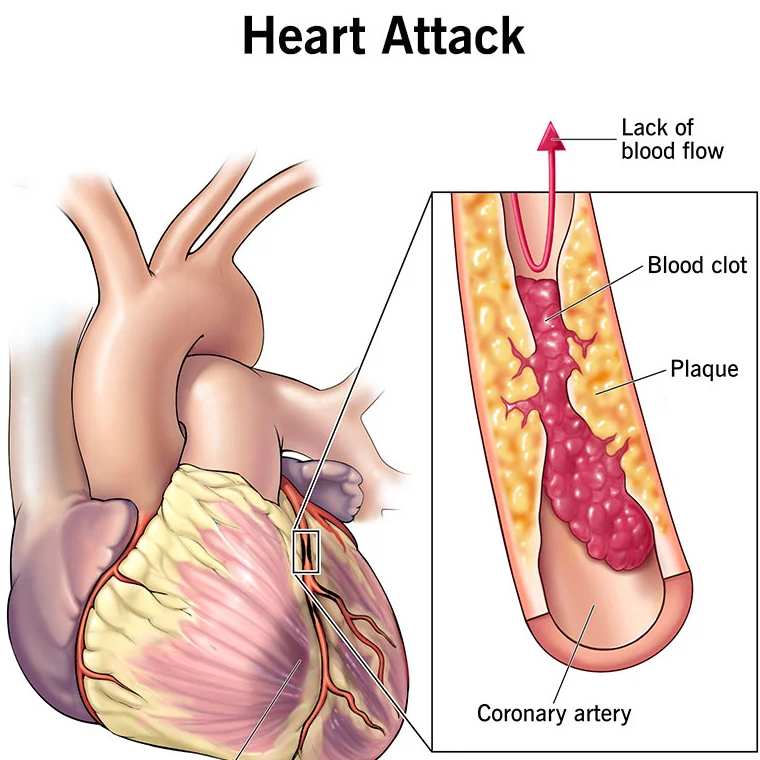
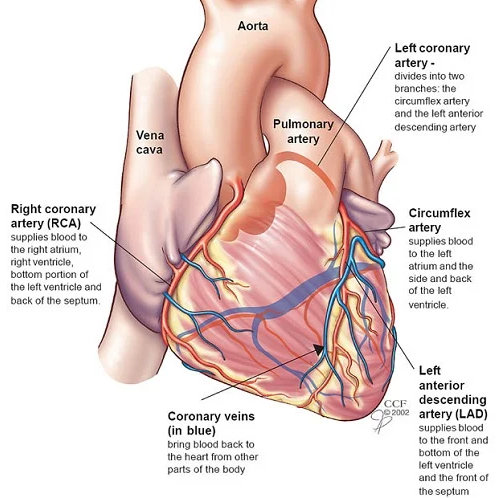
The main cause of a heart attack is coronary artery disease (CAD), a condition that affects the arteries that supply blood and oxygen to the heart. CAD develops over time when fatty deposits called plaques build up inside the arteries, narrowing them and making them less flexible. This process is called atherosclerosis.
Sometimes, a plaque can rupture and cause a blood clot to form on its surface. The clot can block the artery completely or partially, cutting off the blood flow to the heart muscle. This triggers a heart attack.
Other factors that can increase the risk of a heart attack include:
- Age: The risk of a heart attack increases with age, as the heart muscles weaken and the arteries harden.
- High cholesterol levels: High levels of low-density lipoprotein (LDL) cholesterol, also known as “bad” cholesterol, can contribute to plaque formation in the arteries.
- Diabetes: Diabetes can damage the blood vessels and make them more prone to plaque buildup and clotting.
- Genetics: Having a family history of heart disease or heart attack can increase the risk of developing CAD.
- Heart surgery: Having a previous heart surgery, such as a coronary angioplasty or bypass graft, can increase the risk of a heart attack due to scar tissue formation or restenosis (re-narrowing) of the arteries.
- High blood pressure: High blood pressure can put extra strain on the heart and damage the arteries over time.
- Obesity: Being overweight or obese can increase the risk of diabetes, high blood pressure, high cholesterol, and other conditions that can lead to CAD.
- Smoking: Smoking can damage the lining of the arteries and make them more likely to develop plaques and clots. It can also reduce the amount of oxygen in the blood and increase the heart rate and blood pressure.
- Stress: Chronic or acute stress can trigger the release of hormones that can increase the heart rate, blood pressure, and blood clotting. Stress can also lead to unhealthy behaviors such as smoking, drinking, or overeating.
What are the symptoms of a heart attack?
The symptoms of a heart attack can vary from person to person, depending on the severity, location, and extent of the damage to the heart muscle. Some people may not notice any symptoms at all, or only experience mild signs. Others may have sudden and intense symptoms that require immediate medical attention.

The most common symptoms of a heart attack include
- Chest pain or discomfort: This is usually felt in the center or left side of the chest, and may last for more than a few minutes or come and go. It may feel like pressure, squeezing, fullness, or pain.
- Shortness of breath: This may occur with or without chest pain, and may happen at rest or during physical activity. It may be accompanied by wheezing or coughing.
- Pain or discomfort in other parts of the body: This may include the jaw, neck, back, arms, or shoulders, especially on the left side. The pain may spread from the chest to these areas, or occur independently.
- Nausea, vomiting, or indigestion: These symptoms may occur with or without chest pain, and may be mistaken for other conditions such as food poisoning or stomach flu.
- Sweating: This may occur with or without chest pain and may be profuse or cold. It may be accompanied by clammy skin or a pale complexion.
- Dizziness, lightheadedness, or fainting: These symptoms may occur with or without chest pain, and may be caused by low blood pressure, irregular heartbeat, or lack of oxygen to the brain.
- Fatigue, weakness, or tiredness: These symptoms may occur with or without chest pain, and may be more noticeable during physical activity or daily tasks. They may also persist for days or weeks after a heart attack.
It is important to note that some people, especially women, older adults, and people with diabetes, may have less typical symptoms of a heart attack, such as
- Anxiety
- Confusion
- Difficulty sleeping
- Heartburn
- Jaw pain
- Loss of appetite
How is a heart attack diagnosed?
If you suspect that you or someone else is having a heart attack, call 9-1-1 immediately. Do not drive yourself or wait for someone else to drive you to the hospital. The sooner you get emergency treatment, the better your chances of survival and recovery.

At the hospital, the doctors will perform several tests to confirm if you are having a heart attack and to determine the extent of the damage to your heart. These tests may include:
- Electrocardiogram (ECG or EKG): This test records the electrical activity of your heart through electrodes attached to your skin. It can show if your heart is beating normally or irregularly, and if there are signs of reduced blood flow or damage to the heart muscle.
- Blood tests: These tests measure the levels of certain enzymes and proteins in your blood that are released when your heart muscle is injured. They can help diagnose a heart attack and estimate how much of your heart is affected.
- Chest X-ray: This test uses radiation to create an image of your chest, including your heart, lungs, and blood vessels. It can show if your heart is enlarged or if there is fluid in your lungs, which can indicate heart failure or other complications.
- Echocardiogram: This test uses sound waves to create an image of your heart and its chambers, valves, and blood flow. It can show how well your heart is pumping and if there are areas of damage or reduced function.
- Coronary angiogram: This test uses a special dye and X-rays to show the inside of your coronary arteries. It can reveal if there are any blockages or narrowing that are causing or contributing to your heart attack.
How is a heart attack treated?
The treatment of a heart attack depends on the severity, location, and cause of the blockage in your coronary artery. The main goals of treatment are to restore blood flow to your heart as quickly as possible, to prevent further damage to your heart muscle, and to reduce the risk of complications and recurrence.

The treatment options for a heart attack may include:
- Medications: These may include aspirin, nitroglycerin, oxygen therapy, and clot-busting drugs (thrombolytics) that are given as soon as possible to help dissolve the clot and restore blood flow. Other medications may include antiplatelets, anticoagulants, beta-blockers, ACE inhibitors, and statins that are given to prevent further clotting, reduce strain on the heart, lower blood pressure and cholesterol, and improve survival.
- Coronary angioplasty and stenting: This is a procedure that involves inserting a thin tube (catheter) with a balloon at its tip into a blood vessel in your groin or arm and guiding it to the blocked artery in your heart. The balloon is then inflated to widen the artery and improve blood flow. A small metal mesh tube (stent) may be placed inside the artery to keep it open and prevent it from narrowing again.
- Coronary artery bypass graft (CABG): This is a surgery that involves taking a healthy blood vessel from another part of your body (such as your chest, leg, or arm) and attaching it to your heart, bypassing the blocked artery. This creates a new route for blood flow to your heart muscle.
- Cardiac rehabilitation: This is a program that involves exercise, lifestyle changes, education, and counseling that can help you recover from a heart attack, improve your heart function and reduce the risk of future problems. It may start in the hospital and continue after you go home for several weeks or months.
How can you prevent a heart attack?
The best way to prevent a heart attack is to reduce or eliminate the risk factors that can cause or worsen CAD. Some preventive measures include:

- Quitting smoking: Smoking is one of the most harmful habits for your heart health. It can damage the lining of your arteries, increase plaque buildup and clotting, reduce oxygen in your blood, and raise your blood pressure and heart rate. Quitting smoking can lower your risk of a heart attack significantly within a few years.
- Eating a healthy diet: A balanced diet that is low in saturated fat, trans fat, cholesterol, salt, and added sugars, and high in fruits, vegetables, whole grains, lean protein, and healthy fats can help lower your cholesterol levels, blood pressure and weight, and prevent diabetes and inflammation. You should also limit your alcohol intake to no more than one drink per day for women and two drinks per day for men.
- Staying active: Regular physical activity can help strengthen your heart muscle, improve blood circulation, lower blood pressure and cholesterol levels, control weight and diabetes, reduce stress and improve mood. You should aim for at least 150 minutes of moderate-intensity aerobic exercise (such as brisk walking, cycling, or swimming) or 75 minutes of vigorous-intensity aerobic exercise (such as running, jumping rope, or playing sports) per week. You should also do some strength training exercises (such as lifting weights or doing push-ups) at least twice a week.
- Getting enough sleep: Adequate sleep is essential for your heart health. It can help regulate your hormones, blood pressure, blood sugar, and inflammation levels. It can also reduce stress and improve mood. You should aim for seven to nine
 Health and life style