Introduction:
The female reproductive system is an intricate and awe-inspiring mechanism that plays a fundamental role in the creation of life. From the onset of puberty to menopause, this complex system undergoes remarkable physiological changes. In this article, we explore the anatomy and functions of the female reproductive system, shedding light on its extraordinary capabilities.

1. Anatomy of the Female Reproductive System:
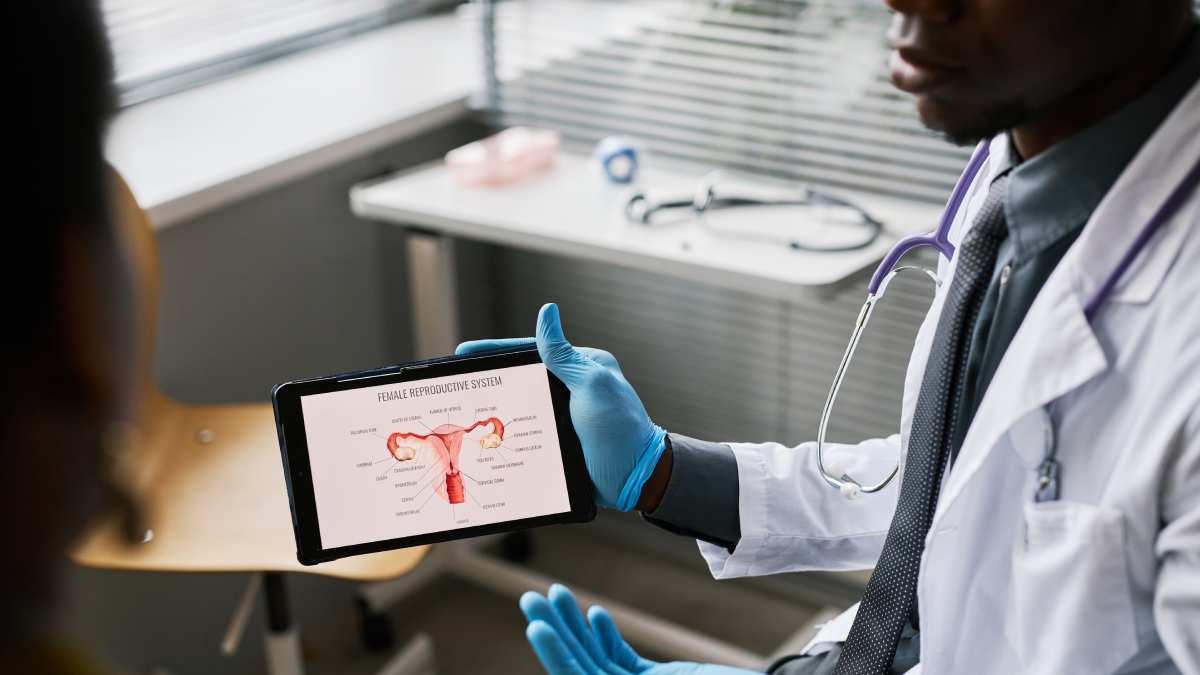
The female reproductive system consists of both internal and external structures. Internally, the key organs include the ovaries, fallopian tubes, uterus, and vagina. The ovaries produce eggs, or ova, and are responsible for the production of hormones such as estrogen and progesterone. The fallopian tubes serve as a pathway for the egg to travel from the ovaries to the uterus. The uterus, or womb, is where the fertilized egg implants and develops into a fetus. The vagina serves as the birth canal and also facilitates sexual intercourse. Externally, the vulva includes the labia majora, labia minora, clitoris, and vaginal opening.
2. Menstrual Cycle:
The menstrual cycle is a vital process in the female reproductive system. It typically lasts around 28 days and involves the preparation of the uterus for a potential pregnancy. The cycle is regulated by hormones, with the ovaries releasing an egg during ovulation. If fertilization does not occur, the lining of the uterus is shed through menstruation. Understanding the menstrual cycle is essential for reproductive health, family planning, and detecting any potential irregularities.
3. Fertility and Reproduction:
The female reproductive system allows for the remarkable ability to conceive and bear children. During sexual intercourse, sperm enters the vagina and travels through the cervix and into the uterus, where fertilization of the egg can occur. The fertilized egg then implants in the uterus, leading to pregnancy. The reproductive system is finely tuned, with hormonal signals regulating ovulation, implantation, and the growth of the fetus. The uterus provides a nurturing environment for the developing baby, supporting its growth until birth.
4. Common Health Concerns:
Several health concerns can affect the female reproductive system. These include menstrual disorders, such as irregular periods, heavy bleeding, or painful cramps. Other conditions may include infections, such as yeast infections or sexually transmitted infections (STIs), which require timely medical attention. Additionally, disorders like polycystic ovary syndrome (PCOS), endometriosis, and uterine fibroids can impact fertility and overall reproductive health. Regular check-ups and open communication with healthcare providers are essential for maintaining optimal reproductive well-being.
5. Menopause:
Menopause marks the end of the reproductive years in a woman’s life. Usually occurring between the ages of 45 and 55, menopause is characterized by a decline in hormone production and the cessation of menstruation. This transitional phase brings its own set of changes and challenges, including hot flashes, mood swings, and potential bone density issues. However, with proper healthcare and support, women can navigate this natural phase and continue to embrace their overall well-being.
Conclusion:
The female reproductive system is an extraordinary marvel of nature, enabling the creation of life and the perpetuation of the human species. Its intricate anatomy and finely orchestrated hormonal balance contribute to the wonder of womanhood. Understanding the female reproductive system, its functions, and common health concerns empowers women to make informed decisions regarding their reproductive health. By prioritizing regular check-ups, open communication, and self-care, women can nurture and maintain their reproductive well-being throughout their lives.
 Health and life style